
Although pre-existing disease may not seem familiar to pet owners, this is a very real risk pet owners can take. There are options for pet insurance to help offset the costs associated with caring for a pet who has a pre-existing condition.
As pet owners know, our pets are considered to be part of our family and rely on us for protection from the unforeseen. Pet insurance is often a good option for those who are unable to afford medical treatment due to serious illnesses. Apart from regular vet bills, pets may also be vulnerable to other medical issues. The best thing to do is to get a policy for your pet when they are young and healthy. This will increase your chances of getting a full coverage plan and reducing your chances of having to pay for treatments on your own.
There are two types of pet insurance coverage. There are two types of pet insurance coverage: limited lifetime policies or lifetime policies. The policy that covers you for life is available to cover new conditions every year. The coverage limits for each condition on a life-time policy are often limited. One example is that your dog may be eligible for a free vaccine and checkup but not if it becomes sick in the same time period.
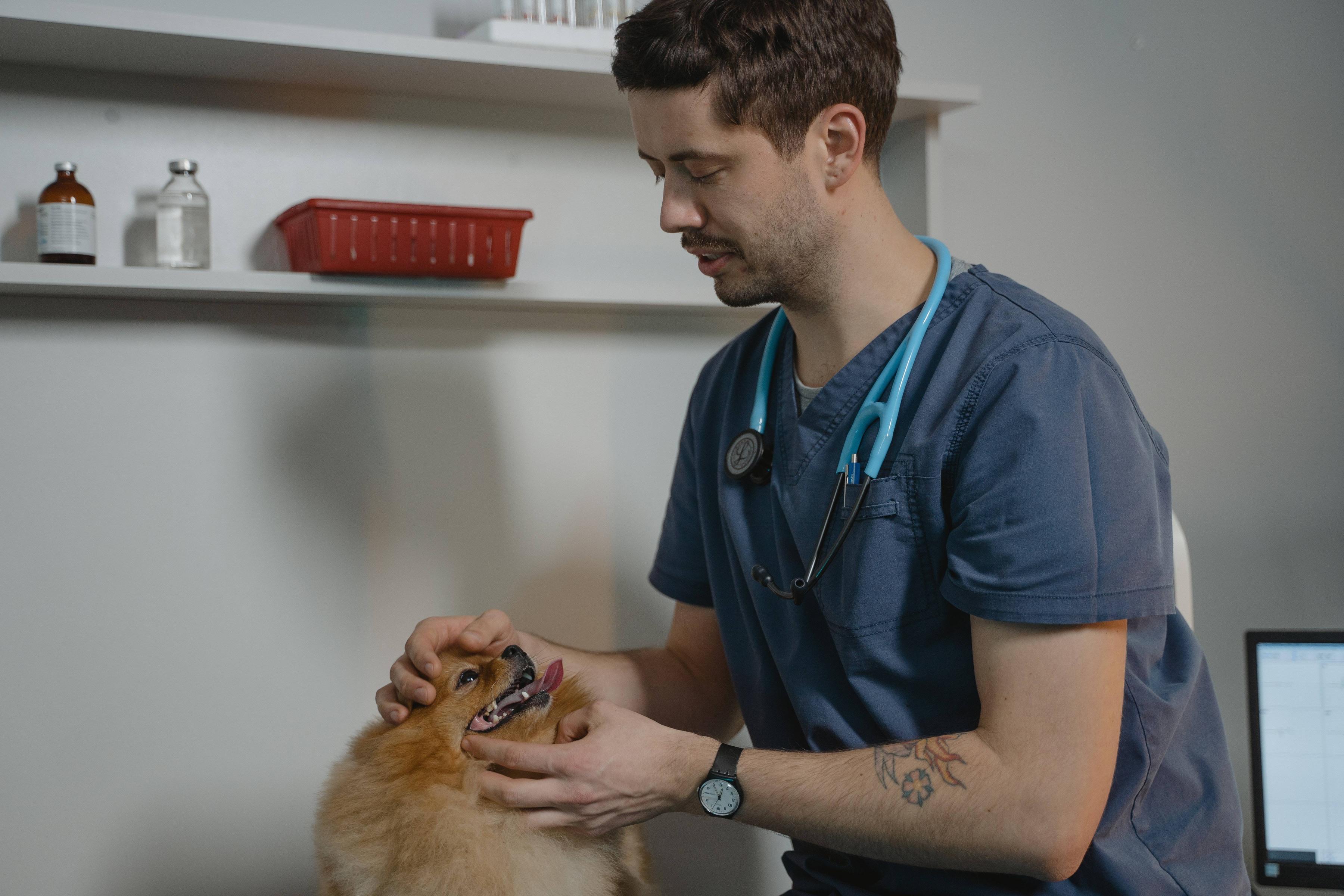
One of the most confusing aspects about pet insurance is whether it will include coverage for your pet's preexisting conditions. Most companies will not insure your pet if it has a pre-existing condition, so it's up to you to determine what's covered and what's not.
While most pet insurance plans don't cover pre-existing conditions, it's possible to get a policy that covers the small stuff. Some insurers even offer insurance for "curable" pre-existing conditions, such as ear infections.
Getting a good deal on pet insurance is a lot easier if you're smart about your choices. Before you make the decision, be sure to consult a veterinarian to determine whether your dog has a pre-existing condition. If your veterinarian is able determine the condition of your pet, you can find a policy that will protect your pet.
Although the ASPCA and Pet's Best are the most obvious names when it comes to pet insurance, they're not the only ones. The Whole Pet plan is one example of a company that provides coverage for hereditary and congenital disorders. It is important to have a healthy pet.

The latest pet insurance policies can make it easier to protect your pet from the high price of health care. You will be able to enjoy your relationship more than worrying about your pet’s medical bills.
You can search online for pet insurance plans. There are many pet insurance companies that have their own blogs and websites. These will allow you to learn more about the latest products.
FAQ
How to feed your pet?
Dogs and cats consume four times a daily amount of food. Breakfast is usually dry kibble. Lunch is typically some kind of meat, such as chicken or beef. Most dinners include some type of vegetable, such as broccoli or peas.
Cats have different dietary needs. Canadian foods should be included in their diet. These include tuna, salmon, sardines, and chicken.
Your pet may also enjoy eating fruits and vegetables. They shouldn't be fed too often. Overeating causes cats to become sick.
Your pet shouldn't be allowed to drink straight out of the tap. Instead, let him have water from a bowl.
Your pet should get enough exercise. Exercise helps keep his weight down. It keeps him healthy.
After you have given your pet food, clean up the dishes. This will prevent your pet from inhaling harmful bacteria.
Remember to brush your pet's coat regularly. Brushing can remove dead skin cells which can lead to infection.
Brush your pet at least twice a week. Use a soft bristle toothbrush. Don't use a wire brush. This can damage your pet's teeth.
Always supervise your pet while he eats. He needs to chew his food properly. He might swallow pieces of bone if he doesn’t.
Your pet should not be allowed to use garbage cans. This could be dangerous for your pet's health.
You should never leave your pet in an enclosed area. This applies to hot tubs, boats, cars, and other enclosed spaces.
What should you consider when getting a pet?
First, think about what type of lifestyle you desire for yourself and your family. Do you have children? Do you have children? How old are they now? Are there any special dietary requirements?
Are you concerned about allergies? Are there any other things you should know about your pet's health?
After answering these questions, consider whether you are looking for an active companion or a calm lap dog, a house-trained pet, or a tank of tropical fish.
If you are thinking about adopting a puppy, be sure to go to a shelter or rescue group to get to know them.
You'll also want to know if the animal has been vaccinated against rabies and other diseases.
Ask the owner if they will care for the pet while you are away. You won't need to worry about your pet being left at home.
Keep in mind that pets are part and parcel of your family.
What are the signs that my dog could be sick?
You may notice several symptoms in your dog that could indicate that he is sick. These symptoms include:
-
Vomiting
-
Diarrhea
-
Lethargy
-
Fever
-
Weight loss
-
You will feel less hungry
-
Coughing
-
Difficulty breathing
-
Bleeding from behind the nose
-
Stool or urine contaminated with blood
These are just a few. Your vet will tell you what to be on the lookout for.
Which of the two is more difficult to train: dogs or cats?
Both. It all depends on how you train them.
Giving them rewards for doing what you want will help them learn more quickly. If you ignore them when you don't like what they do, they will start to ignore you.
There is no right answer. You need to determine the best way of teaching your cat or dog.
Statistics
- It is estimated that the average cost per year of owning a cat or dog is about $1,000. (sspca.org)
- A 5% affiliation discount may apply to individuals who belong to select military, law enforcement, and service animal training organizations that have a relationship with Nationwide. (usnews.com)
- Reimbursement rates vary by insurer, but common rates range from 60% to 100% of your veterinary bill. (usnews.com)
- Monthly costs are for a one-year-old female mixed-breed dog and an under one-year-old male domestic shorthair cat, respectively, in excellent health residing in Texas, with a $500 annual deductible, $5,000 annual benefit limit, and 90% reimbursement rate. (usnews.com)
- Pet insurance helps pay for your pet's medical care, with many policies covering up to 90 percent of your vet bills. (money.com)
External Links
How To
How to teach a Cat To Use The Litter Box
They are great for reducing waste from your pet, but not all cats like them. They can be too small for cats, or simply wrong for them. This could lead to them smearing litter on the floor and leaving it there.
These tips will help you make the most of teaching your cat to use a litter box.
-
The box should have enough room for your cat to stand straight inside the box without having them crouch.
-
You should place it so your cat can go outside.
-
Your cat should have access to water at all times, even if it's not possible. It will make him less anxious about using the box.
-
Introduce the box to your cat as soon as possible. Avoid sudden movements and loud noises, especially if you're already familiar with being outside.
-
Once he is comfortable with the idea, you can reward him with praise for using the box correctly. You might also consider offering treats to your client, but only after you've completed your business.
-
Do not force your cat or kitten to use the box.
-
Be patient! It can take several months before your cat is able to use the box consistently.
-
You should immediately contact your veterinarian if your cat is acting aggressively towards people or other animals. This could be a sign of a serious condition such as a kidney disease or infection in the urinary tract.
-
Finally, remember to clean up after your cat daily, including the area around the box.