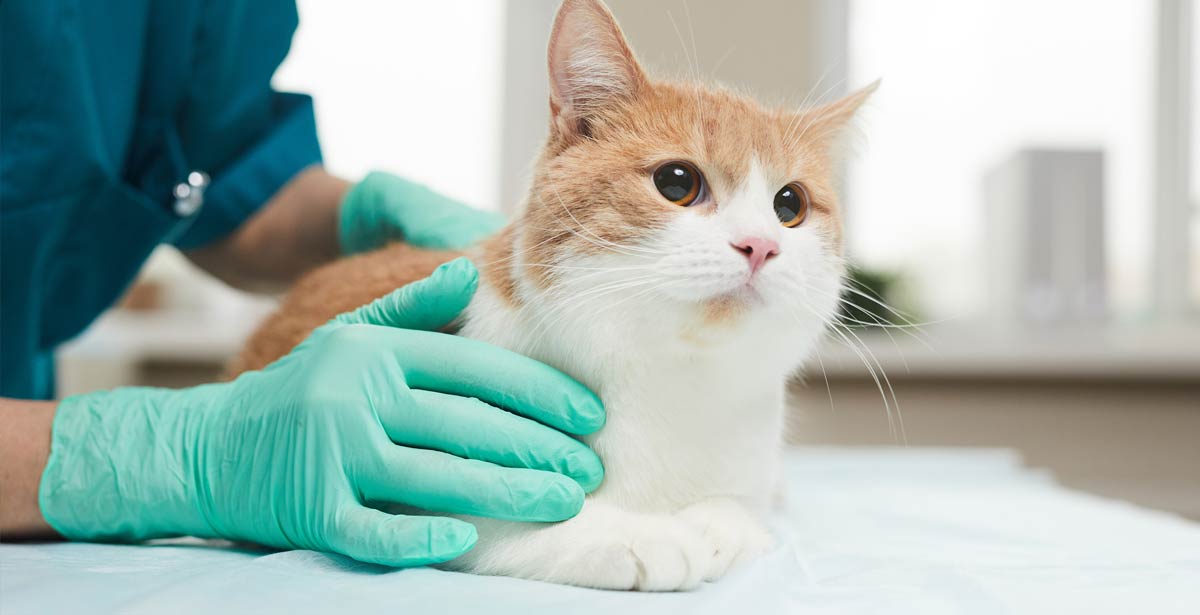
Chinchillas can sneeze due to a variety reasons. Their nasal cavities become irritated when they inhale dust from the air. They can also sneeze from foreign bodies that have become lodged in their nasal cavities. You can also get irritants from pollen, perfumes, food and any other items that may enter your nose.
The vet should be consulted if your chinchilla has a fever or is sneezing. Untreated respiratory infections can lead to death. A respiratory infection may present as a runny, watery, or swollen nose. A respiratory infection can be either bacterial or viral. These infections can cause your Chinchilla to lose weight, have trouble breathing, and be lethargic.
Chinchillas can contract a virus that can cause pneumonia. This is a very dangerous illness because it can make your chinchilla extremely vulnerable to other diseases. When your chinchilla is exposed to this virus, it can develop a Covid-19, a coronavirus that is novel. This is not a common problem for chinchillas. However it is important to seek treatment immediately if yours has become infected.
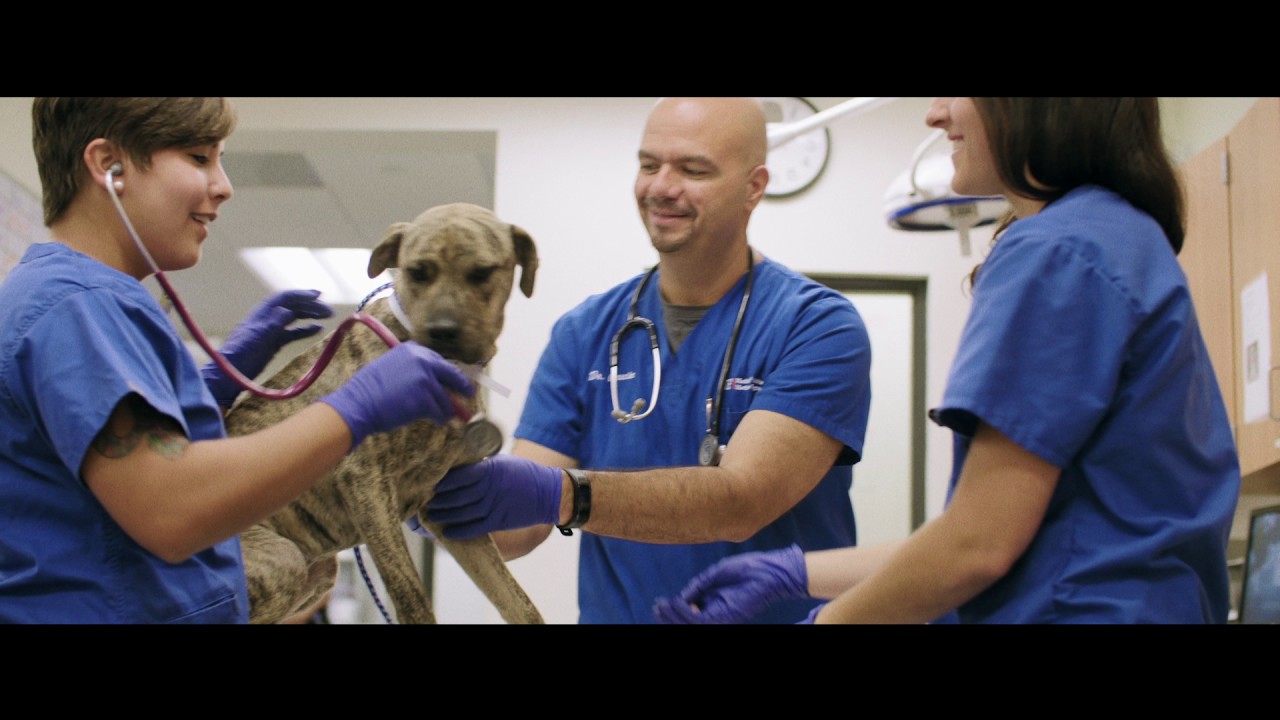
It is crucial to ensure that your Chinchilla is well-hydrated. If your chinchilla is losing weight or having sneezing episodes, it is important to take them to the veterinarian. Supplements for small animals can help your chinchilla achieve a healthy level of nutrients.
If your chinchilla starts sneezing frequently, it is likely that they have an allergic reaction. Most allergens that are most common include pollen, hay and dust. You should clean your chinchilla’s nest as frequently as possible to avoid the accumulation of allergens. A probiotic supplement can be added to the diet of your chinchilla.
Your chinchilla could also have a cold. A runny nose, the first sign of a cold, is the most obvious. You might also notice a runny or irritated nose.
Another common cause of sneezing is dental problems. Check for signs of tooth decay in chinchillas. Chinchillas have teeth that are constantly growing. If your chinchilla doesn't get treated, tooth decay can cause severe pain and even death.
A dust bath is a good option for chinchillas who sneeze a lot. The chinchillas use dust baths for their own personal hygiene and to remove excess oil or moisture. Although it is a very vigorous activity, it is necessary to keep your chinchillas clean.
Sneezy chinchillas can cause stress for owners. But it is important that you take your pet to the vet immediately if they become unwell.
Most chinchillas have allergies, which is the main reason they sneeze. Most commonly, they are allergic to their bedding or to the dust in their lungs.
FAQ
How do I train my pet?
It is important to be consistent when training your dog or cat. You need to be consistent in how you treat them. They will not trust you if you are rude or mean to them. They might also start to think that all people are mean.
They will not know what to expect if you're inconsistent with your treatment. They could become anxious around other people if this happens.
Positive reinforcement is a great way to teach your dog or cat. When you reward them for doing something right, they will want to repeat this behavior.
Punishing them for doing wrong things will make bad behavior more common than rewarding them.
To reinforce positive behavior, you should give treats like food or toys. Give praise wherever possible.
You can use clickers to help train your pet. Clicking refers to a method where your pet taps on a button in order to let you know that he did well.
This method works because animals are able to understand that clicking signifies "good job".
When teaching your pet tricks, you should first show him the trick. Then, you should ask him to perform the trick while rewarding him.
If he does it correctly you should give him praise. But don't overdo it. You should only praise him once.
It is also important to establish limits. It's important to set limits. You should also not allow your pet to bite strangers.
Always supervise your pet to make sure he doesn’t hurt himself.
What food should I give my dog?
Your dog needs to be fed a healthy diet.
There are many protein-rich foods, including chicken, beef (fish), eggs, and dairy.
Fruits, vegetables, legumes, bread, cereals and pasta are all high in carbohydrate.
Low-fat foods include lean meats and poultry, fish, whole grains, seeds, and nuts.
Before giving your dog different types or foods, it is a good idea to check with your vet.
What is pet assurance?
Pet insurance provides financial protection for your pet's health and safety in the event that they become injured or sick. It also covers routine medical care like vaccinations, spaying/neutering and microchipping.
Additionally, the policy covers emergency treatment for pets that are injured or become ill.
There are two types of Pet Insurance:
-
Catastrophic: This type of insurance pays medical expenses if your cat sustains serious injuries.
-
Non-catastrophic-This type covers routine veterinarian costs, such as vaccines, microchips, spays/neuters, and other veterinary services.
Some companies offer both catastrophic and non-catastrophic coverage. Some companies offer only one type of coverage.
You will need to pay a monthly premium to cover these costs. The amount of your pet's care depends on what you spend.
This insurance will cost you differently depending on the company that you choose. Shop around before making a purchase.
Many companies offer discounts for multiple policies.
You can transfer your pet insurance plan to another company if you are already insured.
If you don't want to purchase pet insurance, you will have to pay all the costs yourself.
However, there are still ways to save money. You can ask your veterinarian about discounts.
If you take your pet to the vet often, he might not be impressed.
You can also find local shelters where you can adopt a pet, rather than paying for one.
Remember, no matter what kind of insurance you buy, you must read the fine print carefully.
It will tell you exactly what your coverage is worth. If you do not understand something, contact your insurer immediately.
Statistics
- Pet insurance helps pay for your pet's medical care, with many policies covering up to 90 percent of your vet bills. (money.com)
- Reimbursement rates vary by insurer, but common rates range from 60% to 100% of your veterinary bill. (usnews.com)
- A 5% affiliation discount may apply to individuals who belong to select military, law enforcement, and service animal training organizations that have a relationship with Nationwide. (usnews.com)
- It's among a relatively few companies that provide policies with a full (100%) coverage option, meaning you are not responsible for any co-payment of bills. (money.com)
- It is estimated that the average cost per year of owning a cat or dog is about $1,000. (sspca.org)
External Links
How To
How to train your pet dog
A pet dog is an animal companion that provides emotional support and companionship to its owner. It can protect against predators and other animals.
It is important that pet dogs are trained to obey their owners and do tasks like fetching things, guarding against intrusions, following commands and performing tricks.
The average time for training is between six months to two years. During this time, the owner teaches the dog basic obedience skills, including how to sit, lie down, stay, come when called, walk on command, and roll over. The owner also trains the dog to obey simple verbal commands and learns how to handle the dog's natural instincts.
In addition to teaching the dog these basic behaviors, the owner should teach the dog not to bite people or other animals and to respond appropriately to strangers and other unfamiliar situations.