A zoo keeper assistant might be a good job for someone who has always been fascinated with the world of animal life. This job requires you to work with many animals and care for their health and well-being. Although a degree in Animal Science is highly recommended, many zoos hire staff with only a high school diploma.
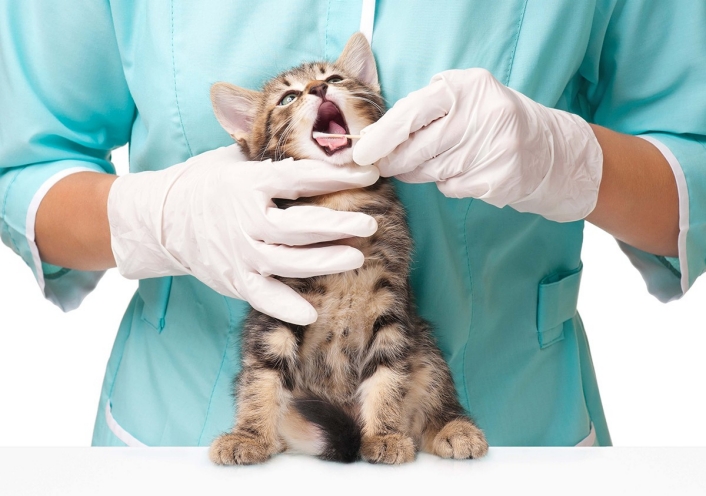
As Zookeeper Assistants, they are often required to supervise volunteers and perform maintenance duties such as cleaning, feeding, or maintaining exhibits. They may also collaborate with veterinarians to provide care for animals in the zoo. The position is typically full time, and it's a great way to learn more about animals. Zookeepers and keeper aids are trained to identify signs of illness, correct dangerous behavior and provide general care.
Zoo keeper assistants must be willing to work long hours and in all kinds of environments. Their jobs require them standing for long periods of hours, to move around, to lift up to 100lbs. Documenting animal changes and monitoring food consumption are just a few of the responsibilities. These workers also need to be reliable and able to meet deadlines.
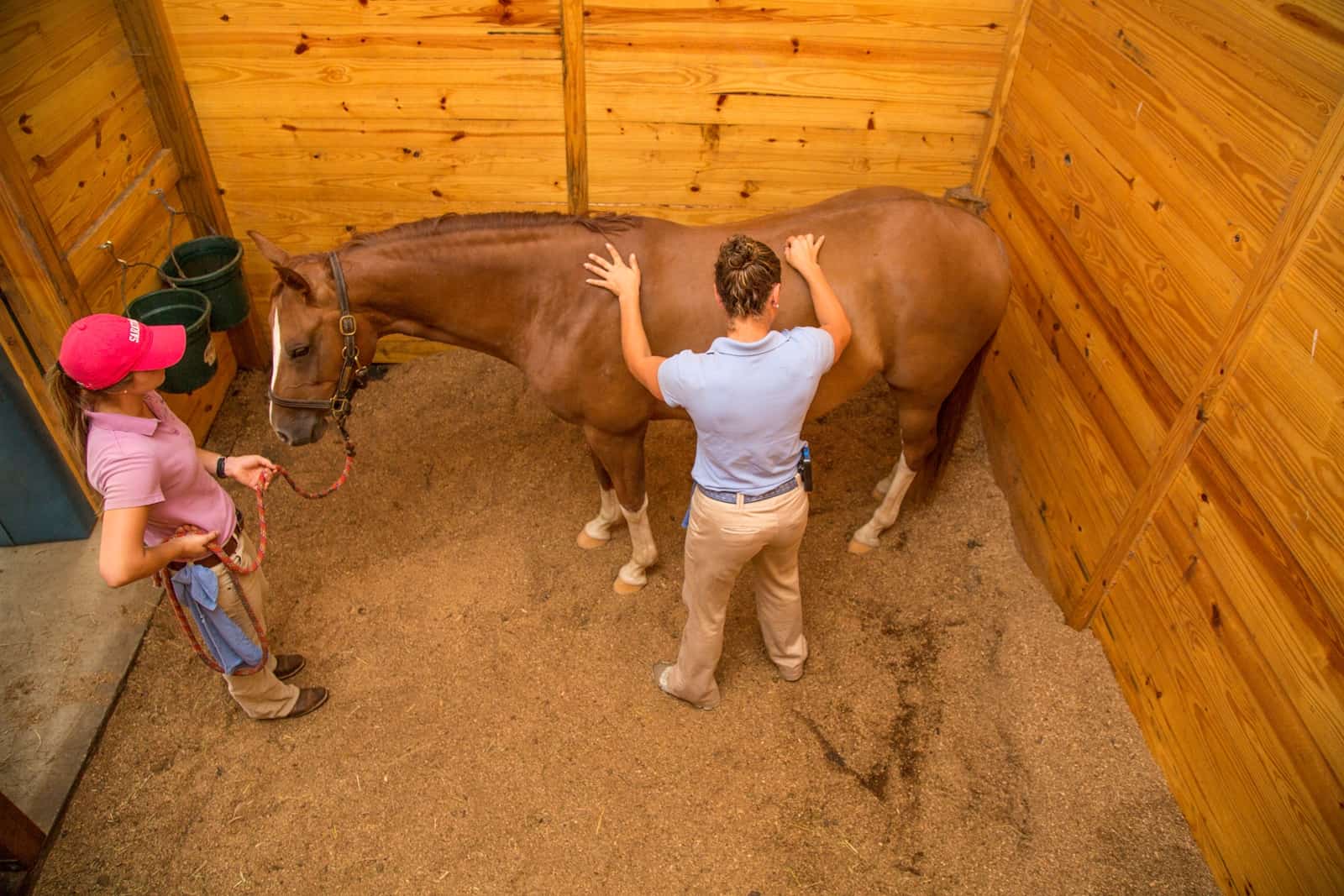
The role of a zookeeper is not limited to breeding programs. They can also be involved in scientific research and more direct involvement in the management of animals. To help young people gain practical experience in the field, some zoos offer paid internships. Some keepers are also assigned to education or other departments. Depending on what the zoo is, keepers could be trained in a specific animal or have general duties to ensure the health of all animals.
Zoo keeper assistants often fill in for senior staff members. They also educate the public on the animals. A keeper assistant may help with veterinary treatment and encourage the animals to cooperate with visitors. They may also be required to clean cages and perform minor repairs.
Many zoos have keeper training programs, such as the Santa Fe Community College Teaching Zoo and Los Angeles Zoo. You'll get hands-on training and learn how to care for exotic animals. You will also learn how animals are fed and how conservation works.
Keeper assistants may be required to attend meetings, give tours, and provide guest service. They must also be able communicate well and present information both in writing and oral format. Being a zoo assistant will provide you with the necessary experience to impress your future employers.

It is possible that a zoo keeper assistant will be required to lead guided tours. They'll ensure that visitors follow the rules. They will be looking for senior zookeepers or supervisors if they spot any misbehavior. Zookeeper assistants are often assigned to retrain, restrain, or perform veterinary examinations.
You will need to have passion for working with animals and a good understanding of their needs. Zoos often begin their careers on a part-time, seasonal minimum wage, but it's possible to increase your salary. You'll eventually be able choose from many jobs, including zoo curator or head keeper.
FAQ
What age should a child have a pet?
Children under five years old shouldn't have a pet. Children under five years old should not own cats and dogs.
Most kids who have pets end up being bitten by them. This is especially true of small dogs.
Some dogs, such as pit bulls or other aggressive breeds, may be aggressive towards certain animals.
Although a dog may seem friendly, that doesn't necessarily mean that it won't attack an animal.
Make sure your dog is well-trained if it's your decision to buy a dog. You should also supervise your child when she is playing with the dog.
What is pet insurance?
Pet Insurance provides financial protection for pets when they are sick or injured. It also covers routine care such as vaccinations or spaying/neutering.
Additional benefits include emergency treatment in the event your pet becomes ill or is involved in an accident.
There are two types if pet insurance:
-
Catastrophic insurance - This policy covers your cat's medical expenses in the event of severe injury.
-
Non-catastrophic-This type covers routine veterinarian costs, such as vaccines, microchips, spays/neuters, and other veterinary services.
Some companies offer both catastrophe and non-catastrophic coverage. Others offer just one or the other.
To cover these costs you will need to pay a monthly Premium. This amount will depend on how much you spend to care for your pet.
The price of your insurance depends on which company is chosen. Do your research before purchasing.
You may be eligible for discounts if more than one policy is purchased by the company.
If you already have a pet insurance plan with another company, you can transfer your existing plan to a new company.
If you decide not to buy any pet insurance, then you'll have to make all of these payments yourself.
But there are still ways that you can save money. Ask your veterinarian for information about discounts.
You may be disregarded by your pet if he sees you frequently.
Another option is to adopt a pet from a local shelter instead of buying one.
You must always read the fine print, regardless of what type of insurance policy you purchase.
It will inform you of the amount of your coverage. If you don't understand something, contact the insurer immediately.
What should you think about when purchasing a pet for your family?
You must first consider what kind lifestyle you wish for yourself, your family, and your friends. Do you have kids? What number do you have? Are they still young? Do they have any special dietary needs?
Are you allergic to anything? Do you have any other questions about your pet?
These questions will help you decide if you want an active companion, a quiet pet dog, a cat that is house-trained, or a fish tank with tropical fish.
You should visit a shelter to meet the dogs and get to know them before you consider adopting them.
You'll also want to know if the animal has been vaccinated against rabies and other diseases.
Finally, ask the owner if he or she will take care of the animal while you go on vacation. This will ensure that you don't have to worry about leaving the pet alone.
Remember that pets are part your family. If you don't like them, you shouldn’t adopt them.
How to feed a pet?
Dogs and cats eat four times a day. Breakfast consists of dry kibble. Lunch usually consists of some type of meat such as chicken or beef. Dinner is often a meal of vegetables, such as broccoli or peas.
Cats have different dietary needs. Canadian foods should be included in their diet. These include tuna, salmon, sardines, and chicken.
Fruits and vegetables can be enjoyed by your pet. But, your pet shouldn't eat them too often. Overeating causes cats to become sick.
Your pet shouldn't be allowed to drink straight out of the tap. Instead, let him have water from a bowl.
You should ensure that your pet is getting enough exercise. Exercise will help keep your pet healthy and his weight down. It keeps him healthy.
You should clean up after your pet is fed. This will keep your pet safe from getting infected with bacteria.
Brush your pet often. Brushing helps remove dead skin cells and can lead to infection.
At least two times per week, brush your pet. Use a soft bristle comb. Do not use a wire brush. This can damage your pet's teeth.
Always supervise your pet's eating habits. He needs to chew properly. He may choke on bits of bone.
Avoid letting your pet go to the garbage cans. This can cause health problems in your pet.
Do not leave your pet unattended in enclosed spaces. This includes hot tubs, hot boats, and cars.
What is the best pet?
The best pet you can have is the one you love. There is no one right answer. Everyone has their own opinion as to which pet is the best.
Some people believe that cats can be more loving than dogs. Others argue that dogs are more loyal to their owners and more affectionate. Still, others argue that birds are the best pet.
However, no matter what pet you choose to have, you need to decide which pet is best for you.
If you are friendly and outgoing, a dog might be the right choice. A cat is the best choice for you if you are shy or reserved.
You should also consider the size and layout of your home. A smaller apartment will mean that your pet will require a smaller size. However, a larger house will mean that your pet will need more space.
Last but not least, pets require a lot of attention. They need to be fed regularly. They should be taken on walks. They must be brushed regularly.
You'll be able pick the best pet for you if you have all of these knowledge.
Statistics
- Pet insurance helps pay for your pet's medical care, with many policies covering up to 90 percent of your vet bills. (money.com)
- Here's a sobering reality: when you add up vaccinations, health exams, heartworm medications, litter, collars and leashes, food, and grooming, you can expect a bill of at least $1,000 a year, according to SSPCA. (bustle.com)
- It's among a relatively few companies that provide policies with a full (100%) coverage option, meaning you are not responsible for any co-payment of bills. (money.com)
- It is estimated that the average cost per year of owning a cat or dog is about $1,000. (sspca.org)
- In fact, according to ASPCA, first-year expenses can sum up to nearly $2,000. (petplay.com)
External Links
How To
How to teach a cat how to use the litterbox
The litter boxes are great for keeping your pet's waste under control, but they can't be used well by cats. They're often too small (or just plain wrong) for them to get comfortable in, and they may end up smearing the mess around the floor and leaving it there.
Here are some suggestions to help ensure you have the best success with teaching your cat how to use the litterbox.
-
Your cat should be able to stand straight in the box, without having to lean down.
-
Place it in a place where your cat is most likely to be outside. If that doesn't happen, you can try placing it in a room with an outside door.
-
You can give your cat water when he needs it. He will be less stressed about using the litter box if he is well hydrated.
-
Introduce the box to your cat as soon as possible. Avoid sudden movements and loud noises, especially if you're already familiar with being outside.
-
Once he becomes comfortable with it, reward him by giving praise when he uses the box correctly. You may even consider giving him treats, but only after he has completed his business.
-
Your cat shouldn't be forced to use the box.
-
Be patient! It can take several weeks before your cat starts using the box regularly, so don't worry if it takes longer than expected.
-
If you notice any changes in your cat's behavior, such as aggression towards humans or animals, contact your veterinarian immediately. This could indicate a more serious condition, such as a bacterial infection of the kidneys.
-
Last but not least, make sure you clean up after your cat each day.