
It's possible to wonder how much you could make as a veterinarian tech in California if you are considering a career. The vet tech salary in California will vary depending on your education level, location, experience and skills. The salary data provided below will help you determine how much a vet tech can expect to earn in your area.
How Much Does a California Vet Technician Make?
Veterinary technicians can provide vital support to veterinarians. They communicate important information to pet owners, collect specimens, and follow up with patients after they return home.
How to become a vet tech in Cali
Enrolling in accredited veterinary tech programs and passing the state examination are two of the first steps to getting started as a California Vet Tech. Each year, you will need 20 hours to maintain your license. An externship, a paid internship, or accumulating certain hours at a practice can all help you gain valuable experience.

How to become a Cali veterinarian technician
Taking on the challenge of becoming a vet tech in California can be an exciting step forward in your career path. It's possible to find support from professional organizations in the community and help your clients as a vet tech.
The California Registered Veterinary Technician Association (CaRVTA) offers a wealth of resources and support for vet techs, including an online career center, mentor programs and continued education opportunities. An annual seminar provides education opportunities and networking opportunities with colleagues.
How to get a career as a Vet Tech (Cali)
It is necessary to dedicate a lot to your education if you want to pursue a career as California's vet tech. Many programs offer both certificate- and degree options. These programs are typically one- to two-year long and prepare you for the state examination, licensure or continued education.
You can obtain your degree in any setting, from a classroom to a clinic or hospital. Your chosen veterinary technology program will determine the type of degree you receive, but most programs include some classroom work as well as lab work.
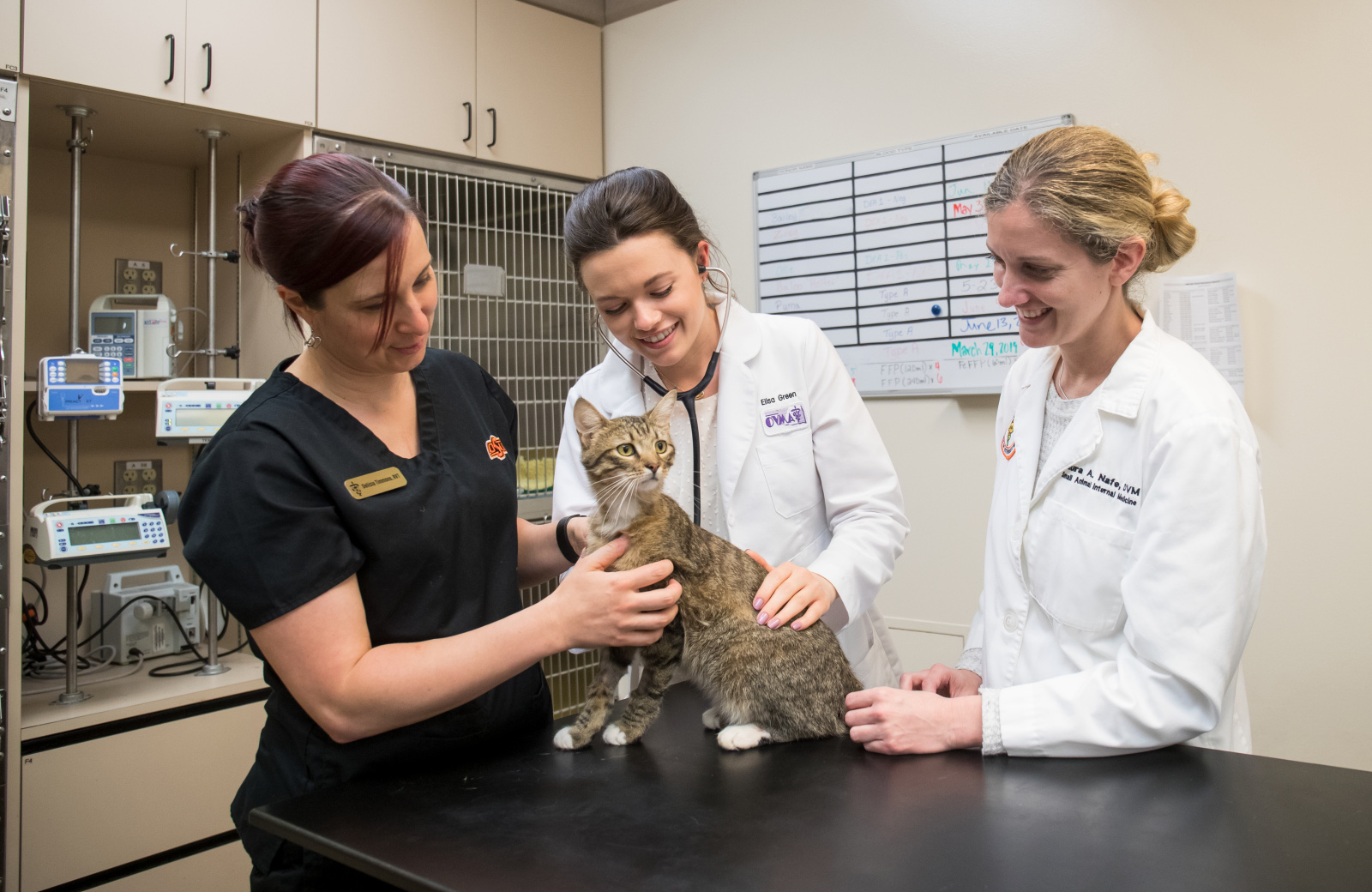
Cali Vet Tech Salary
The average vet tech salary in California is 93,100 USD. This includes health insurance and a retirement plan.
It is also a moderately bonus-based salary for vet techs in CA. 59% reported receiving at least one extra payment during the last 12 month. Most employees reported receiving bonuses ranging from 2% up to 7%.
While the overall vet tech salary in CA is reasonable, it can vary depending upon your experience and other factors. It's worth noting that the top 10 percent of vet techs can earn a significantly higher salary than those in the bottom quartile.
FAQ
What are the things I should consider before buying an exotic pet?
Before you purchase an exotic pet, you should think about these things. It is important to decide if the animal will be kept as a pet, or if it will be sold for profit. If you plan to keep it as a pet, make sure you have enough room. It is also important to estimate how much time it will take to care for the animal. It is not easy to care for an animal. However, they provide great companionship.
You must find someone to purchase your animal if you intend to sell it. You should ensure that the person who buys your animal is knowledgeable about how to care for animals. Also, make sure that you don't overfeed the animal. This could lead to other health issues later.
You need to thoroughly research exotic pets before buying them. Numerous websites offer information on different types of pets. You should be careful not to fall for any scams.
What food should I give my dog?
Your dog should be fed a balanced diet.
High-protein foods include chicken, beef and fish as well as eggs and dairy products.
Other foods high-carbohydrate include fruits, vegetables (including bread), cereals, pasta, potatoes, rice, and beans.
Foods low in fat include lean meats such as poultry, fish, eggs, nuts, seeds and whole grains.
Before you give your dog different foods, make sure to consult your veterinarian.
What are three things that you need to consider before getting a cat?
These questions should be asked before you purchase a cat.
-
Is the cat suffering from any health problems?
-
Will the cat eat all my food, or will he?
-
Do I want to have a cat because I like cats? Or do I just want one pet?
Should I get a puppy or a kitten?
It really depends on who you are. Some people prefer kittens to puppies.
In general, however puppies are more active, playful, and social than cats. Kittens sleep a lot, and they are very gentle.
Both types of animals require lots of attention from their owners. They will get older quickly and need to be taken care of.
They will also need regular medical checkups. Also, they will require regular medical checkups so you'll have to spend time taking them to see the vet.
How to train your pet
The most important thing when training a dog or cat is consistency. You need to be consistent in how you treat them. They will distrust you if they perceive you as being mean. They might even start to think all people are mean.
If you don't treat them with respect, they will not know what else to expect. This could make them anxious about other people.
Positive reinforcement is a great way to teach your dog or cat. If you reward your cat or dog for doing something well, they will desire to repeat the behavior.
Punishing them when they do something wrong will associate bad behaviors with punishment rather than rewards.
You should use treats such as food or toys to reinforce good behavior. You should also praise your behavior whenever you can.
Clickers can help you train your pet. Clicking can be described as a technique that allows you to click on a button to inform your pet that he did a good job.
This works because animals can understand that clicking "good job" means "good luck".
You should show your pet how to do tricks first. Then, you should ask him to perform the trick while rewarding him.
When he does it correctly, give him praise. But don't overdo it. Do not praise him more than one time.
It's also important that you set limits. For example, don't allow your pet to jump up on guests. Do not let your pet bite other people.
Remember always to supervise your pet so that he doesn't hurt himself.
What should you consider when getting a pet?
The first thing to consider is what kind of lifestyle you want for yourself and your family. Do you have children? How many children do you have? Are they currently over 50? Are there any special dietary preferences?
Are you concerned about allergies? Is there any additional information you need about your pet?
Once you've answered these questions, think about whether you're looking for an active companion, a quiet lap dog, a house-trained cat, or perhaps a fish tank full of tropical fish.
You should visit a shelter to meet the dogs and get to know them before you consider adopting them.
You should also check to see if the animal is vaccinated for rabies and other diseases.
Ask the owner if they will care for the pet while you are away. This will ensure that you don't have to worry about leaving the pet alone.
Remember that pets are part of the family, and you shouldn't adopt one unless you really like him or her!
Statistics
- Monthly costs are for a one-year-old female mixed-breed dog and an under one-year-old male domestic shorthair cat, respectively, in excellent health residing in Texas, with a $500 annual deductible, $5,000 annual benefit limit, and 90% reimbursement rate. (usnews.com)
- A 5% affiliation discount may apply to individuals who belong to select military, law enforcement, and service animal training organizations that have a relationship with Nationwide. (usnews.com)
- * Monthly costs are for a 1-year-old female mixed-breed dog and a male domestic shorthair cat less than a year old, respectively, in excellent health residing in Texas, with a $500 annual deductible, $5,000 annual benefit limit, and 90% reimbursement rate. (usnews.com)
- Reimbursement rates vary by insurer, but common rates range from 60% to 100% of your veterinary bill. (usnews.com)
- Here's a sobering reality: when you add up vaccinations, health exams, heartworm medications, litter, collars and leashes, food, and grooming, you can expect a bill of at least $1,000 a year, according to SSPCA. (bustle.com)
External Links
How To
How to teach your cat how to use the litter box
While litter boxes can help reduce your pet's waste, they may not work well for cats. They're often too small (or just plain wrong) for them to get comfortable in, and they may end up smearing the mess around the floor and leaving it there.
Here are some tips to help you ensure your cat uses the litterbox with the greatest success.
-
Your cat should be able to stand straight in the box, without having to lean down.
-
Place it in a place where your cat is most likely to be outside. If that doesn't happen, you can try placing it in a room with an outside door.
-
Allow your cat to drink water during his regular routine of going to the bathroom. This will help reduce stress and anxiety about him using the box.
-
Avoid making loud or sudden movements when you first introduce the cat to the box, especially if your cat has been outside for a while.
-
Once he has gotten used to it, praise him when he uses it correctly. He might be tempted to receive treats as a reward. However, these should not be given until he has finished his business.
-
Your cat shouldn't be forced to use the box.
-
Be patient! It can take several weeks before your cat starts using the box regularly, so don't worry if it takes longer than expected.
-
You should contact your veterinarian immediately if you observe any changes in your cat’s behavior such as aggression towards other people or animals. This could indicate something serious like a urinary tract infection or kidney disease.
-
Don't forget to clean up after your cat, including the area surrounding the box.